The Practical Role of IBC Tank Systems in Storage and Transport
Intermediate Bulk Containers, often referred to as “ibc tank” containers, are a reliable solution for storing and transporting liquids and bulk materials. Their durable build, reusable structure, and efficient design make them a strong choice for many industries.
What Is an IBC Tank?
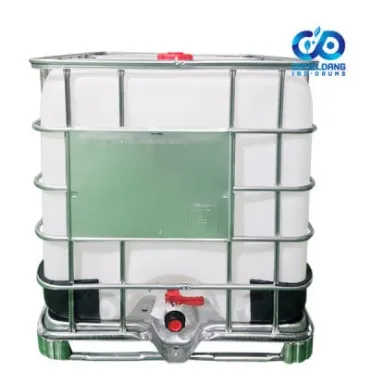
An ibc tank is a large-format container designed for the safe storage and movement of liquids, semi-liquid materials, and certain bulk products. These containers are commonly used in agriculture, chemical processing, pharmaceutical manufacturing, and food production. Most ibc tank units are built with an HDPE inner container and a metal cage frame, providing both durability and handling stability.
Key Features of IBC Tank Systems
IBC tank systems are popular in industrial environments because they combine strength and efficiency in a single container format:
- Durability: An ibc tank is built to withstand repeated filling, movement, and storage under demanding operating conditions.
- Reusability: Many ibc tank models can be cleaned and reused, which helps lower packaging waste and ongoing container costs.
- Space Efficiency: Their cubic, stackable design supports better warehouse organization and improved use of transport space.
Benefits of Using an IBC Tank
Using an ibc tank offers several operational benefits for businesses handling liquids and bulk materials:
First, it improves cost efficiency. Because an ibc tank is designed for long-term reuse, companies can reduce replacement frequency and packaging expenses. Its larger capacity also helps reduce handling cycles and supports more efficient shipping.
Second, it helps improve safety. A properly selected ibc tank includes secure caps, outlet valves, and a protective frame that reduce the risk of leaks, spills, and contamination. This is especially useful for operations dealing with regulated or sensitive products.
Third, it supports flexibility across many applications. An ibc tank can be used for water, industrial liquids, and food-grade materials when the correct specifications are chosen. This wide compatibility makes it a practical solution for many industries.
Applications of IBC Tank Containers
IBC tank containers are used across different sectors based on the type of liquid or material being handled:
| Industry | Application |
|---|---|
| Agriculture | Storage of irrigation water, liquid fertilizers, and crop treatment products |
| Chemicals | Storage and transport of industrial chemical liquids and process solutions |
| Food and Beverage | Handling edible oils, syrups, and other food-grade liquid ingredients |
Choosing the Right IBC Tank
Selecting the right ibc tank requires checking a few important points before purchase:
- Material: Choose a tank material that matches the chemical and physical properties of the stored contents.
- Size: Select a capacity that aligns with your storage volume, production flow, and transport process.
- Regulations: Confirm that the ibc tank complies with the relevant safety and transportation standards for your industry.
An ibc tank is a dependable option for businesses that need safe, efficient, and repeatable liquid handling. Its durable construction, reusable design, and broad application range make it a practical long-term storage solution.
If your business is planning to improve logistics and storage performance, an ibc tank is worth reviewing. Evaluating compatibility, capacity, and compliance needs will help you choose the right unit for your operation.
